Khaadi: The Definitive Guide to Pakistan’s Iconic Fashion and Lifestyle Pioneer
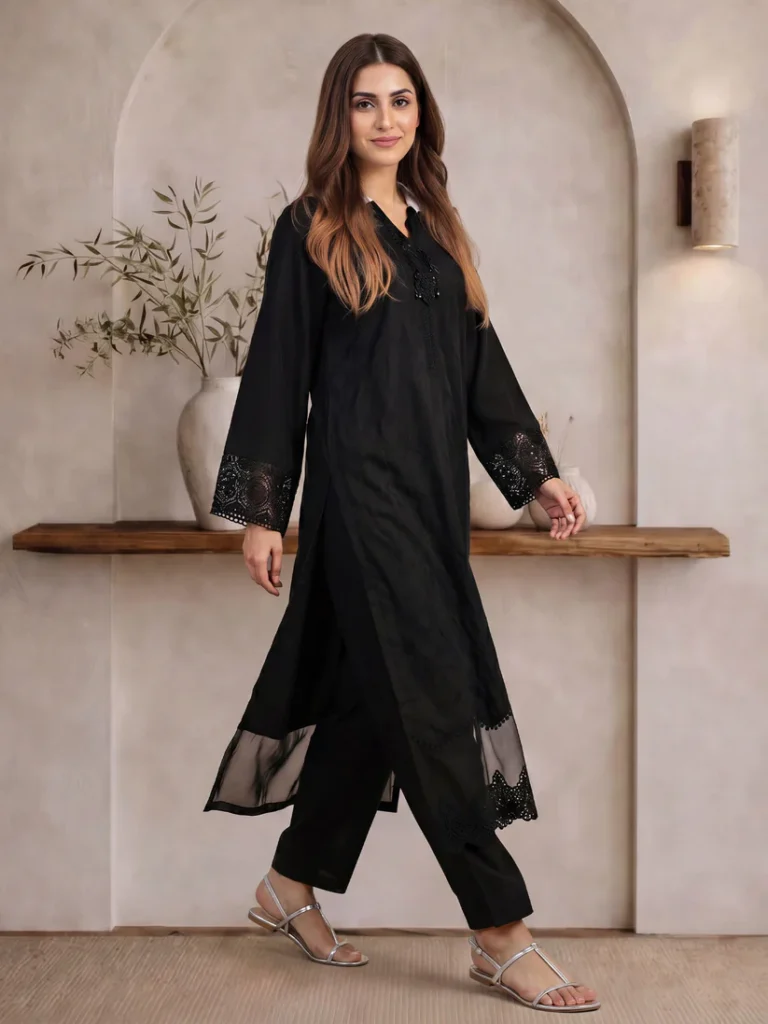
Meta Description: Explore the evolution, design philosophy, and global impact of Khaadi. Discover how this iconic Pakistani retail brand bridges hand-loomed heritage with contemporary fashion.
In the dynamic realm of South Asian fashion, few brands have redefined contemporary apparel while honoring traditional craft quite like Khaadi. From its humble origins as a single store in Karachi in 1998 to becoming a global retail juggernaut, the brand has transformed how modern consumers view hand-woven fabrics, ethnic wear, and fusion style.
Whether you are looking for vibrant unstitched lawn suits, sleek ready-to-wear pret ensembles, or minimalist home decor, understanding the evolution of this retail phenomenon reveals a story of artistic heritage, retail innovation, and cultural pride.
1. The Heritage and Origin Story
The word itself originates from the South Asian handloom tradition—referring specifically to hand-woven cloth made from cotton, silk, or wool. Founded by Shamoon Sultan in 1998, the initial vision behind Khaadi was refreshingly straightforward yet ambitious: revive the ancient art of hand-loomed fabric and present it in a clean, modern retail environment.
During the late 1990s, the Pakistani apparel market was largely split between unorganized local tailors and traditional bazaar handloom craftsmen. Premium hand-loomed cloth was often considered niche or outdated by younger demographics who were leaning toward machine-made textiles and Western imports.
By taking traditional pit-loom techniques and reinterpreting them with bold color palettes, clean geometry, and minimalist cuts, the brand transformed handloom textiles into an accessible status symbol for the urban professional.
+-----------------------------------------------------------------------+
|                       THE EVOLUTION AT A GLANCE                       |
+-----------------------------------------------------------------------+
| 1998: First outlet opens in Karachi, focusing purely on hand-spun fabric|
| 2002: Expansion into multi-color printed fabrics and unstitched lines |
| 2008: Introduction of home textiles and lifestyle accessories         |
| 2010: International expansion begins across the Middle East and UK    |
| 2021: Retail rebrand introducing experiential mega-stores             |
+-----------------------------------------------------------------------+
2. Exploring the Core Product Lines
Over two decades, the product ecosystem expanded significantly. What began as a raw handloom store evolved into a multi-category lifestyle engine.
Unstitched Fabric Collections
The unstitched fabric line remains the backbone of seasonal wardrobe refreshes across South Asia.
Spring/Summer Lawn: Celebrated for lightweight, breathable 100% cotton fabrics adorned with intricate floral, geometric, and digital prints. These collections feature options ranging from 2-piece (shirt and trousers) to 3-piece sets with embroidered silk or chiffon dupattas.
Fall/Winter Collections: Transitioning into colder months, these lines feature warm cambric, khaddar, jacquard, linen, and brushed cotton textiles with richer earth tones and deeper jewel shades.
Ready-to-Wear (Pret)
To cater to fast-paced lifestyle shifts, the ready-to-wear segment revolutionized daily dressing for students, working women, and homemakers alike.
Daily Casuals: Straight-cut kurtas, oversized tunics, and asymmetrical silhouettes crafted for breathability and ease.
Semi-Formal & Festive: Embellished kurtis, zari embroidery, mirror work, and organza paneling designed for religious holidays like Eid, family gatherings, and formal dinners.
Home and Lifestyle
Extending the design philosophy into living spaces, the home collection includes:
Textured throw cushions and hand-woven bedspreads.
Table runners, dinner napkins, and placemats.
Ceramic dinnerware, scented candles, and artisanal pottery that translate traditional motif work into homeware aesthetics.
3. The Design Philosophy: Where Tradition Meets Modernity
At the heart of the brand’s enduring appeal lies a distinct visual identity that balances nostalgic craft with forward-thinking design.
Color Theory and Palette Mastery
Unlike traditional Eastern fashion brands that relied strictly on classic crimson, gold, or navy, color experimentation became a signature trait early on. You will regularly observe teal paired with burnt orange, lime green balanced by charcoal grey, and pastel lavender elevated with deep maroon accents.
Motif Synthesis
The creative team frequently draws inspiration from architectural heritage, including Mughal tilework, Persian arabesques, Central Asian ikat weaves, and truck-art florals. These classical motifs are simplified through digital printing and embroidery to create clean, wearable art.
| Product Category | Signature Materials | Primary Target Audience | Style Aesthetic |
| Unstitched Lawn | Pure Cotton, Swiss Voile, Chiffon | Homemakers, Custom-fit Enthusiasts | Vibrant, Floral, Traditional |
| Ready-to-Wear (Pret) | Cotton, Cambric, Jacquard | Working Professionals, Students | Modern Minimalist, Fusion Cuts |
| Luxury / Festive | Silk, Organza, Net, Velvet | Event Attendees, Festive Shoppers | Heavily Embroidered, Regal |
| Home Essentials | Raw Cotton, Canvas, Ceramics | Homeowners, Interior Decorators | Ethnic Contemporary |
4. Retail Strategy and Experiential Spaces
Beyond fabric quality and aesthetic appeal, retail innovation has played a major role in establishing dominance within the fashion market.
The Shift to Experiential Shopping
In the early 2000s, shopping for fabric in South Asia was often a functional, chaotic experience in dense traditional markets. The introduction of air-conditioned, beautifully lit, and ambiently scented outlets changed consumer expectations. flagship stores operate as immersive lifestyle spaces featuring:
Spacious layouts with dedicated sections for each sub-brand.
Integrated cafe spaces offering local tea and artisanal refreshments.
Custom tailoring counters where shoppers can get unstitched suits measured and styled on-site.
E-Commerce and Global Accessibility
Recognizing the massive South Asian diaspora across North America, Europe, and the Middle East, early adoption of international e-commerce channels allowed consumers worldwide to access seasonal collections simultaneously with local launches.
5. Sustainability and Ethical Craftsmanship
As the fashion industry faces growing scrutiny over waste and labor practices, honoring artisanal roots requires ongoing effort.
Supporting Artisan Communities
Handloom weaving is a labor-intensive craft vulnerable to modern industrial automation. By maintaining dedicated lines for hand-loomed textiles, rural weavers retain sustainable livelihoods, keeping traditional techniques alive across generations.
Material Selection and Waste Reduction
Efforts toward sustainable production include:
Increasing the percentage of organic and responsibly sourced cotton.
Utilizing water-reducing digital printing technologies over traditional chemical dyeing tubs.
Recycling fabric scraps into quilted home accessories and cloth packaging totes.
6. How to Style Outfits for Every Season
Whether you prefer traditional modest silhouettes or contemporary fusion looks, these styling tips will help you assemble effortless outfits:
+------------------------------------------------------------------------+
|                          STYLING CHEAT SHEET                           |
+------------------------------------------------------------------------+
| CASUAL DAYWEAR:   Printed Kurta + Straight Pants + Kolhapuri Flats     |
| OFFICE / WORK:    Solid Cambric Shirt + Culottes + Structure Tote Bag  |
| FESTIVE EVENING:  Embroidered Jacquard + Organza Dupatta + Heel Mules  |
| FUSION LOOK:      Short Printed Tunic + High-Waisted Denim + Loafers   |
+------------------------------------------------------------------------+
1. Casual Everyday Wear
Choose a breathable printed cotton kurta. Pair it with solid white or off-white cigarette pants, minimal brass jewelry, and traditional leather khussas or leather sandals for a clean daytime aesthetic.
2. Corporate or Academic Settings
Opt for solid-toned or subtle pin-striped ready-to-wear kurtas in structured fabrics like cambric or linen. Combine with wide-leg trousers and a simple leather tote bag for a polished, professional look.
3. Festive Celebrations
For occasions like Eid, weddings, or holiday dinners, select 3-piece embroidered unstitched suits featuring chiffon or silk dupattas. Enhance the look with statement jhumkas (traditional earrings), metallic heels, and an embellished clutch.
7. Frequently Asked Questions (FAQ)
What makes handloom fabrics unique?
Handloom fabrics are woven manually without electricity, resulting in subtle natural variations in texture. These micro-textures allow the fabric to breathe better than machine-loomed alternatives, making them uniquely comfortable in warm climates.
How do I care for delicate lawn and embroidered suits?
To maintain color vibrancy and embroidery integrity:
Always hand-wash lawn fabrics in cold water or use a gentle machine cycle.
Avoid direct harsh sunlight when drying colored cottons.
Dry clean embroidered, silk, or organza garments to prevent thread snagging.
Is the brand accessible internationally?
Yes, international shipping is available through the official web portal, alongside physical retail outlets in the UK, UAE, Qatar, and other international hubs.
Summary: A Benchmark for Modern Heritage
The journey of Khaadi demonstrates how traditional craft can thrive in a modern commercial landscape. By staying rooted in handloom heritage while fearlessly embracing contemporary cuts, bold palettes, and experiential retail, the brand remains a towering symbol of cultural identity, fashion innovation, and creative pride.
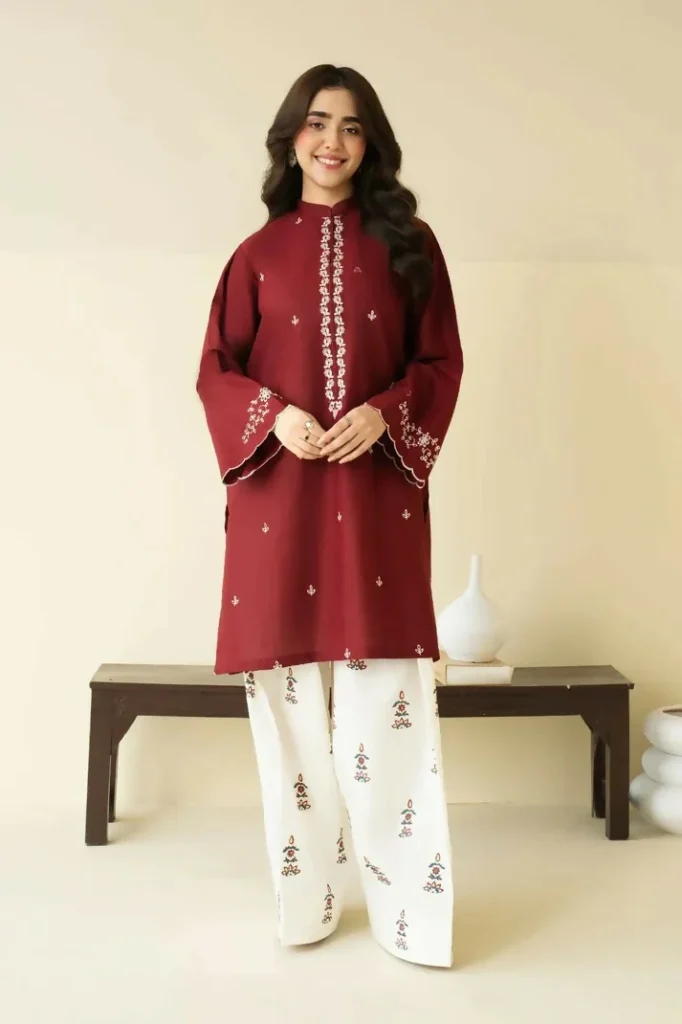
Khaadi is one of Pakistan’s most recognizable fashion brands, known for combining traditional textile influences with modern clothing designs. From everyday unstitched fabric to ready-to-wear outfits, accessories, and home-related products, the brand has built a strong presence among shoppers looking for contemporary Pakistani fashion.
This guide explores Khaadi, its clothing collections, popular product categories, shopping experience, styling ideas, and reasons why it remains a popular choice for fashion-conscious customers.
What Is Khaadi?
Khaadi is a Pakistani fashion and lifestyle brand that became well known for its distinctive use of traditional textile techniques and contemporary designs. The brand has developed from a textile-focused label into a broader fashion retailer offering clothing and lifestyle products.
Its collections generally reflect Pakistani cultural influences while incorporating modern cuts, colors, patterns, and silhouettes. This combination makes the brand suitable for customers who want clothing that feels traditional but still has a contemporary appearance.
The brand offers products for different occasions, including casual everyday wear, office clothing, festive outfits, and seasonal collections. Its range also makes it possible for shoppers to find both simple pieces and more detailed designs.
Why Is Khaadi Popular in Pakistan?
One of the main reasons Khaadi has remained popular is its ability to combine traditional Pakistani aesthetics with modern fashion. Many customers appreciate clothing that can be worn comfortably in everyday life while still looking stylish.
Another important factor is variety. Customers can find different fabrics, colors, prints, and clothing styles depending on the season and collection. The availability of both unstitched and ready-to-wear clothing also gives shoppers flexibility.
The brand has also established a recognizable visual identity. Its collections often use distinctive prints and textile-inspired designs that help differentiate them from ordinary fashion retailers.
Khaadi Clothing Collections
The clothing range is one of the most important parts of the brand. Depending on the season, customers can find different collections designed around changing fashion trends.
Khaadi Unstitched Collection
Unstitched fabric remains an important part of Pakistani fashion. Khaadi offers unstitched clothing that allows customers to choose their preferred stitching style, neckline, sleeves, length, and overall fit.
Unstitched collections are particularly useful for customers who prefer customized outfits. A single fabric design can be transformed into different styles depending on how it is stitched.
Popular options may include:
- Printed lawn
- Cotton fabric
- Cambric
- Linen
- Khaddar
- Jacquard
- Embroidered fabrics
- Seasonal textile collections
The exact fabrics and designs available can change throughout the year.
Khaadi Ready-to-Wear
Ready-to-wear clothing provides a convenient alternative for shoppers who do not want to visit a tailor. These outfits are designed with predetermined cuts and sizes, making the shopping process easier.
Ready-to-wear collections can include kurtas, shirts, trousers, two-piece outfits, and three-piece suits. Designs may range from simple everyday clothing to more detailed seasonal styles.
For working women and students, ready-to-wear outfits can be especially convenient because they require less preparation before wearing.
Khaadi Festive Wear
Festive fashion often focuses on richer colors, embroidery, decorative details, and more elaborate designs. Khaadi seasonal and festive collections may feature clothing suitable for celebrations, family gatherings, dinners, and other special occasions.
Customers can style festive pieces with traditional jewelry, embellished footwear, handbags, and matching dupattas to create a more formal appearance.
Khaadi Summer Collection
Summer clothing in Pakistan needs to balance fashion with comfort because temperatures can become extremely high. Lightweight fabrics and breathable designs are therefore particularly important.
Summer collections commonly focus on bright colors, floral patterns, geometric prints, pastel shades, and lightweight textiles.
A summer wardrobe can include:
- Printed kurtas
- Lightweight trousers
- Lawn suits
- Cotton shirts
- Printed dupattas
- Casual two-piece outfits
When choosing summer clothing, shoppers should consider fabric, color, fit, and the type of activity for which the outfit will be used.
Khaadi Winter Collection
Winter fashion brings different fabric requirements. Thicker materials such as khaddar, linen, and other warm textiles become more practical during colder months.
Winter designs often use deeper shades, including maroon, navy, brown, black, green, and earthy tones. These colors can be paired with shawls, scarves, boots, and jackets for a complete seasonal outfit.
The winter collection can be particularly useful for customers looking for comfortable clothing that works for both casual and semi-formal settings.
Khaadi Dresses for Everyday Wear
Everyday clothing should be comfortable, practical, and easy to style. Khaadi offers several options that can fit into a daily wardrobe.
Simple printed kurtas are one example. They can be paired with straight trousers for a clean appearance or with wide-leg pants for a more contemporary look.
For a casual day, customers can choose lighter prints and comfortable fabrics. For an office environment, solid colors, subtle patterns, and structured silhouettes may create a more professional appearance.
How to Style Khaadi Outfits
Styling does not always require expensive accessories. A simple outfit can look significantly different when paired with the right accessories.
For a casual appearance, try pairing a printed kurta with straight pants and simple flats. A small handbag and minimal jewelry can complete the look.
For a more formal outfit, consider adding:
- Statement earrings
- Embellished footwear
- A structured handbag
- A contrasting dupatta
- Traditional bangles
Color coordination is also important. If the outfit contains several colors, neutral accessories can prevent the overall look from becoming too busy.
Khaadi for Office Wear
Office clothing should ideally be comfortable while maintaining a polished appearance. Simple designs and balanced colors are usually easier to incorporate into a professional wardrobe.
A solid-color shirt with trousers can create a clean office look. Subtle prints can also work well when paired with simple accessories.
Customers can build an office wardrobe by choosing versatile pieces that can be mixed and matched. Neutral trousers, for example, can work with multiple shirts and kurtas.
Khaadi Accessories
Fashion is not limited to clothing. Accessories can help complete an outfit and provide additional styling options.
Depending on the available collection, shoppers may find products such as:
- Handbags
- Jewelry
- Scarves
- Dupattas
- Footwear
- Fashion accessories
Accessories can also make it easier to transition an outfit from day to evening. A simple daytime outfit can become more suitable for dinner by adding statement jewelry and a stylish handbag.
Khaadi Home and Lifestyle Products
The brand has also expanded beyond traditional clothing into lifestyle-related products. Depending on the current range, customers may find products designed for home decoration and everyday lifestyle use.
This broader approach allows the brand to appeal to shoppers who are interested in coordinated fashion and lifestyle aesthetics.
Home products can also make suitable gifts because they do not depend as heavily on personal clothing size or fit.
Shopping from Khaadi
Customers can shop through the brand’s official online presence as well as physical retail stores. Before purchasing online, it is useful to review the product description, available sizes, fabric information, and return or exchange conditions.
When buying clothing online, customers should also check measurements rather than relying only on the usual small, medium, or large labels. Sizing can vary between different garments.
How to Choose the Right Khaadi Outfit
Choosing the right outfit depends on several factors.
Consider the Occasion
First, decide where you plan to wear the outfit. Casual clothing is suitable for everyday activities, while embroidered or more detailed designs may be better for celebrations.
Choose the Right Fabric
Fabric should match the season. Lightweight materials are generally more comfortable in hot weather, while heavier fabrics can provide additional warmth during winter.
Think About Color
Choose colors that complement your existing wardrobe. Neutral shades are versatile, while brighter colors can add variety.
Check the Size
For ready-to-wear clothing, carefully check the size chart. Measurements are more reliable than choosing a size based solely on previous purchases.
Khaadi Online Shopping Tips
Online shopping can be convenient, but customers should take a few precautions before placing an order.
Always check the product description and look carefully at available photographs. If a product has multiple images, inspect them to understand the print, fabric appearance, and design details.
It is also useful to check whether the product is available in your preferred size before adding it to your shopping cart.
For expensive purchases, customers should review the store’s current exchange and return policy before completing the order.
Khaadi Sale and Discounts
Fashion shoppers often look for seasonal sales because discounts can provide an opportunity to purchase clothing at lower prices. Sale periods may occur around seasonal transitions or special promotional events.
However, customers should compare products carefully instead of buying something simply because it has a discount. A good purchase should still provide value in terms of quality, usability, and personal style.
Planning purchases around seasonal sales can also help shoppers build a wardrobe without spending unnecessarily.
Is Khaadi Good for Pakistani Fashion?
For customers interested in Pakistani fashion, Khaadi offers a broad combination of traditional influences and modern designs. Its selection across different categories gives shoppers flexibility when building casual, professional, and festive wardrobes.
The strongest advantage is variety. Different fabrics, prints, silhouettes, and seasonal designs allow customers to choose according to their individual preferences.
However, the best product depends on the shopper’s requirements. Fabric preference, budget, sizing, occasion, and personal style should all be considered before purchasing.
Khaadi for Different Age Groups
The brand’s wide range of designs can appeal to different age groups. Younger shoppers may prefer contemporary cuts, colorful prints, and modern silhouettes, while customers looking for classic fashion may prefer traditional prints and simpler designs.
The ability to style the same type of garment differently also makes the clothing versatile. A basic shirt, for example, can be paired with different trousers and accessories to create multiple looks.
Why Khaadi Remains a Recognizable Fashion Brand
The continued popularity of Khaadi can be linked to its recognizable identity, variety of products, seasonal collections, and connection with Pakistani textile traditions.
Fashion trends change quickly, but customers often continue looking for clothing that feels culturally familiar while remaining suitable for modern lifestyles. This balance has helped the brand maintain its position in the Pakistani fashion market.
Its combination of unstitched fabric, ready-to-wear clothing, accessories, and lifestyle products also provides shoppers with multiple ways to engage with the brand.
Final Thoughts
Khaadi has become an established name in Pakistani fashion by bringing together traditional textile inspiration and contemporary clothing. Its collections provide options for casual wear, office outfits, seasonal fashion, festive occasions, and accessories.
Whether you prefer unstitched fabric that can be customized or ready-to-wear clothing that is convenient, there are different options to explore. Choosing the right outfit ultimately depends on your budget, occasion, preferred fabric, personal style, and required fit.
For anyone exploring Pakistani fashion, Khaadi remains a useful brand to consider because of its broad selection and distinctive approach to modern textile-inspired fashion.