Eye Lens: Complete Guide to Types, Benefits, Safety, and Choosing the Right Lens
Introduction
An eye lens is an important part of the human eye that helps focus light onto the retina and allows us to see objects clearly. When people talk about an eye lens, they may be referring to the natural lens inside the eye or to vision-correction lenses such as contact lenses and intraocular lenses. Each type has a different purpose, design, and method of use.
Today, many people are interested in lenses for vision correction, appearance, convenience, and eye-care procedures. However, choosing the right option requires an understanding of how lenses work, what types are available, and how to use them safely.
This detailed guide explains the basics of thes, eye len different types of lenses, their benefits, common problems, care requirements, and important tips for maintaining healthy vision.
What Is an Eye Lens?
The natural eye lens is a transparent, flexible structure located behind the iris and pupil. Its main function is to focus incoming light onto the retina. The retina then sends visual information to the brain through the optic nerve, allowing us to recognize shapes, colors, people, and objects.
The natural lens can change its shape to focus on objects at different distances. This ability is called accommodation. When looking at something nearby, the lens becomes more rounded. When looking at something far away, it becomes flatter.
A healthy lens is normally clear. Changes in its transparency can affect vision and may lead to conditions such as cataracts.
How Does an Eye Lens Work?
Light enters the eye through the cornea and pupil before reaching the lens. The lens bends the light and directs it toward the retina.
For clear vision, the light needs to be focused accurately on the retina. If the eye does not focus light correctly, a person may experience blurred or distorted vision.
Refractive errors such as:
- Nearsightedness
- Farsightedness
- Astigmatism
- Presbyopia
can affect the way light is focused.
Eyeglasses and contact lenses can compensate for many of these focusing problems. In certain medical situations, an artificial lens may also be placed inside the eye.
Types of Eye Lenses
There are several types of lenses used for different vision needs. Understanding these options can help people make better decisions with the guidance of an eye-care professional.
1. Natural Eye Lens
The natural lens is the lens that develops naturally inside the eye. It works together with the cornea to focus light.
Its flexibility is especially important during childhood and early adulthood because it allows the eye to switch focus between distant and nearby objects.
As people age, the natural lens gradually becomes less flexible. This can make close-up reading more difficult.
2. Contact Lenses
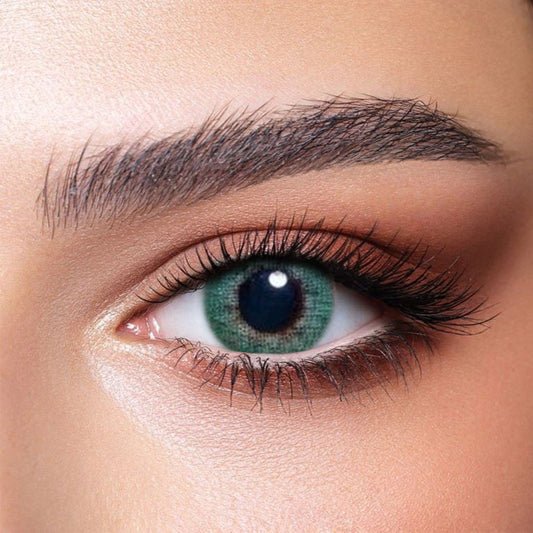
Contact lenses are thin lenses placed directly on the surface of the eye. They can correct several common refractive errors without the need for traditional eyeglasses.
Contact lenses are available in different designs, including:
- Daily disposable lenses
- Biweekly lenses
- Monthly lenses
- Toric lenses for astigmatism
- Multifocal lenses
- Cosmetic or colored lenses
The correct type depends on an individual’s prescription, eye shape, lifestyle, and eye health.
3. Intraocular Lenses
An intraocular lens, commonly called an IOL, is an artificial lens placed inside the eye during certain eye surgeries. IOLs are commonly associated with cataract surgery, where the cloudy natural lens is removed and replaced with an artificial lens.
Different IOL designs can provide different focusing options. The appropriate choice depends on factors such as eye health, prescription, lifestyle, and the recommendation of an eye surgeon.
Eye Lens for Vision Correction
One of the most common reasons people use corrective lenses is to improve blurry vision.
A person with myopia, for example, may see nearby objects clearly but have difficulty seeing distant objects. A corrective lens can help redirect light so that it focuses properly on the retina.
People with hyperopia may have difficulty focusing on nearby objects, while astigmatism can cause blurred or distorted vision at different distances.
Presbyopia is an age-related focusing problem that commonly affects near vision. Multifocal or other specialized corrective options may help some people manage this condition.
Benefits of Using the Right Lens
Choosing an appropriate lens can provide several benefits.
Improved Vision
The primary purpose of a corrective lens is to improve visual clarity. A properly fitted lens can make everyday activities such as reading, driving, working, and using digital devices easier.
Convenience
Contact lenses can provide an alternative to glasses for people who prefer unobstructed peripheral vision or a different appearance.
Appearance
Some people choose cosmetic contact lenses to temporarily change the appearance of their eyes. However, cosmetic lenses still require proper fitting and safe handling because they come into direct contact with the eye.
Support for Different Vision Needs
Modern lens designs can address different prescriptions and visual requirements. Multifocal and specialty lenses may provide options for people who need correction at more than one distance.
How to Choose the Right Eye Lens
Selecting an eye lens should not be based only on appearance or price. Eye health and prescription accuracy should come first.
Consider Your Prescription
An up-to-date eye examination can determine your prescription and identify whether you need correction for nearsightedness, farsightedness, astigmatism, or another issue.
Consider Your Lifestyle
Your daily activities can influence which lens is most convenient.
For example, someone who spends long periods outdoors may have different needs from someone who works primarily on a computer. People who participate in sports may also prefer particular lens options.
Consider Comfort
A lens should fit properly and feel comfortable. If a contact lens repeatedly causes irritation, dryness, pain, or redness, it should not simply be ignored.
Follow Professional Advice
An optometrist or ophthalmologist can evaluate your eyes and recommend suitable options. Professional fitting is particularly important for contact lenses because the lens needs to fit the eye correctly.
Contact Lens Safety
Contact lenses can be safe when used correctly, but poor hygiene can increase the risk of eye infections and other complications.
Always wash and dry your hands before handling contact lenses. Follow the recommended replacement schedule and use the appropriate lens-care products when required.
Never share contact lenses with another person. Sharing can transfer microorganisms and may cause serious eye problems.
It is also important to avoid using lenses beyond their recommended replacement period.
Cleaning and Storing Contact Lenses
Proper lens care is an essential part of maintaining eye health.
If your lenses require cleaning and storage, use the recommended contact-lens solution according to the instructions provided by your eye-care professional or the product manufacturer.
Avoid using tap water to clean or store contact lenses. Water can contain microorganisms that may cause eye infections.
The contact-lens case should also be maintained properly and replaced as recommended.
Can You Sleep With Contact Lenses?
Whether sleeping in lenses is appropriate depends on the specific lens and professional instructions. However, wearing contact lenses overnight can increase the risk of certain complications, particularly when the lenses are not specifically designed and prescribed for extended wear.
For this reason, do not assume that sleeping in contact lenses is safe simply because the lenses feel comfortable.
Follow the wearing schedule provided by your eye-care professional.
Eye Lens and Digital Screens
Many people spend several hours each day looking at computers, smartphones, and tablets. Extended screen use can contribute to symptoms such as temporary eye fatigue, dryness, and discomfort.
The lens itself is not usually the only factor involved. Reduced blinking during screen use can contribute to dry-eye symptoms.
Taking regular breaks, maintaining a comfortable viewing distance, adjusting screen brightness, and consciously blinking can help reduce discomfort.
Common Problems Associated With Lenses
Even when lenses are properly prescribed, users may experience problems.
Dry Eyes
Some contact-lens users experience dryness or discomfort. Environmental conditions, prolonged screen use, medication, and individual eye characteristics can contribute to dry-eye symptoms.
Eye Redness
Redness can occur because of irritation, dryness, allergies, infection, or other conditions. Persistent redness should not be ignored.
Blurred Vision
Blurred vision may occur when a lens is dirty, damaged, incorrectly fitted, or unsuitable for the user’s prescription.
Eye Infection
Improper hygiene and inappropriate contact-lens use can increase the risk of eye infections. Symptoms such as significant pain, light sensitivity, discharge, or sudden changes in vision require prompt professional attention.
Eye Lens and Cataracts
A cataract occurs when the natural lens inside the eye becomes cloudy. This can gradually reduce vision and may cause problems such as glare, faded colors, and difficulty seeing clearly.
Cataracts are commonly associated with aging, although other factors can contribute.
When a cataract significantly affects daily life, an eye surgeon may recommend cataract surgery. During the procedure, the cloudy natural lens is removed and replaced with an artificial intraocular lens.
What Is an Intraocular Lens Made For?
An intraocular lens is designed to remain inside the eye after surgery. Unlike a contact lens, it is not placed on the outside surface of the eye.
IOL technology has developed considerably, and different designs can provide different visual outcomes. The selection depends on the patient’s eye measurements, health, visual priorities, and the surgeon’s assessment.
People considering cataract surgery should discuss lens choices carefully with their eye-care professional.
Colored Eye Lenses
Colored contact lenses can change or enhance the apparent color of the eyes. They are available in different shades and designs.
However, cosmetic lenses are still medical devices when they are intended to sit on the eye. They should be properly fitted and obtained through appropriate professional channels.
Buying unverified colored lenses simply because they look attractive can create unnecessary risks.
Eye Lens Care Tips
Good habits can help protect your eyes and improve the experience of using contact lenses.
Here are some useful tips:
- Wash your hands before handling lenses.
- Follow the prescribed wearing schedule.
- Replace lenses according to the recommended schedule.
- Never share contact lenses.
- Avoid using tap water with contact lenses.
- Keep the lens case clean when applicable.
- Follow the instructions for lens solution.
- Have regular eye examinations.
- Stop using lenses if they cause significant discomfort.
- Seek professional advice when symptoms persist.
When Should You See an Eye Doctor?
Regular eye examinations are important even when your vision seems normal. An eye-care professional can check your prescription and look for signs of eye disease.
Seek prompt professional attention if you experience:
- Sudden vision changes
- Significant eye pain
- Severe redness
- Light sensitivity
- Unusual discharge
- Sudden loss of vision
- Persistent blurred vision
These symptoms can have different causes and should not be diagnosed through self-treatment alone.
Frequently Asked Questions About Eye Lens
What is the main function of the natural eye lens?
The natural lens helps focus incoming light onto the retina, contributing to clear vision.
Are contact lenses safe?
Contact lenses can be safe when properly prescribed, fitted, worn, cleaned, and replaced according to professional instructions.
Can colored lenses damage the eyes?
Poorly fitted, improperly handled, or unapproved colored lenses can increase the risk of eye irritation and infection. Cosmetic lenses should be used responsibly.
How often should contact lenses be replaced?
Replacement schedules vary by lens type. Some are designed for daily disposal, while others are replaced on a longer schedule. Always follow the specific instructions for your lenses.
Can an eye lens improve blurry vision?
Corrective lenses can improve vision caused by refractive errors by helping focus light more appropriately on the retina.
What happens when the natural lens becomes cloudy?
Clouding of the natural lens is called a cataract. When it significantly affects vision, cataract surgery may be considered.
Conclusion
The eye lens plays a crucial role in clear vision, whether we are discussing the natural lens inside the eye, contact lenses used for vision correction, or artificial lenses used during eye surgery. Understanding how different lenses work can help people make informed decisions about their vision and eye care.
The best lens depends on individual needs, prescription, eye health, lifestyle, and professional recommendations. Contact lenses should always be handled hygienically, while people considering surgical lens options should discuss the available choices with a qualified eye-care professional.
Most importantly, lenses should never be selected only for appearance or convenience. Healthy eyes and clear vision should always come first.